
Yes, one needs Epistemic Humility to be charitable in our dealings with other human beings. Epistemic humility is the intellectual virtue of recognizing the limits of your own knowledge and the inherent fallibility of human reasoning. It involves acknowledging that your current beliefs may be incomplete, biased, or wrong, which fosters an open-minded willingness to revise convictions when presented with new evidence.
Rooted in the philosophical traditions of Socrates and Descartes, this mindset acts as an antidote to intellectual arrogance. It is highly prized in fields like science, philosophy, and critical thinking because it actively guards against confirmation bias and overconfidence.
Practicing this virtue doesn’t mean giving up on truth or devaluing expertise; rather, it means holding conclusions as provisional. Embracing what you do not know transforms “I don’t know” from a weakness into a tool for continuous learning.
Below image from this LinkedIn post – https://www.linkedin.com/posts/george-stern_many-fear-that-disagreeing-means-picking-share-7485438804577837056-GtQg/?utm_source=share&utm_medium=member_desktop&rcm=ACoAAGcwrZ4B_IjkuRfpcaAIHuSCF2cEzFbARFQ
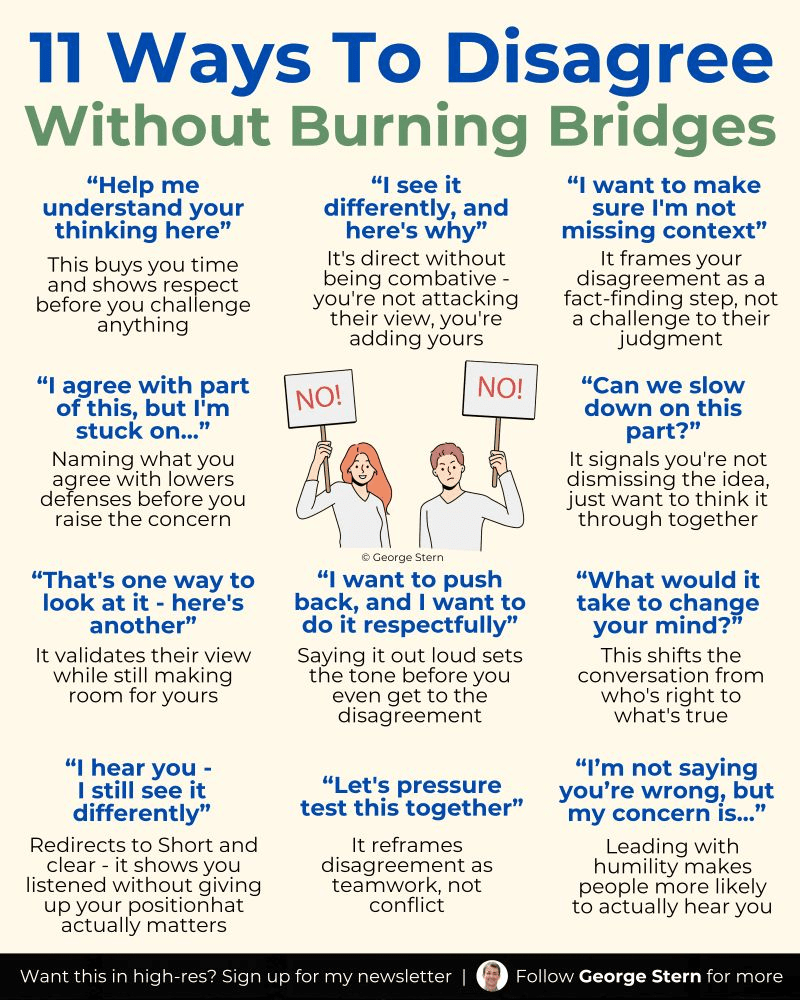


I learnt it the hard way. As a teen, I used to get into heated debates with my mama on everything, from polity to religion, convinced that I had to defend every position I took. Over the years, I realised that reality rarely fits neatly into boxes. Most things exist on a spectrum rather than in binaries. I guess that’s where epistemic humility began for me.
LikeLiked by 1 person